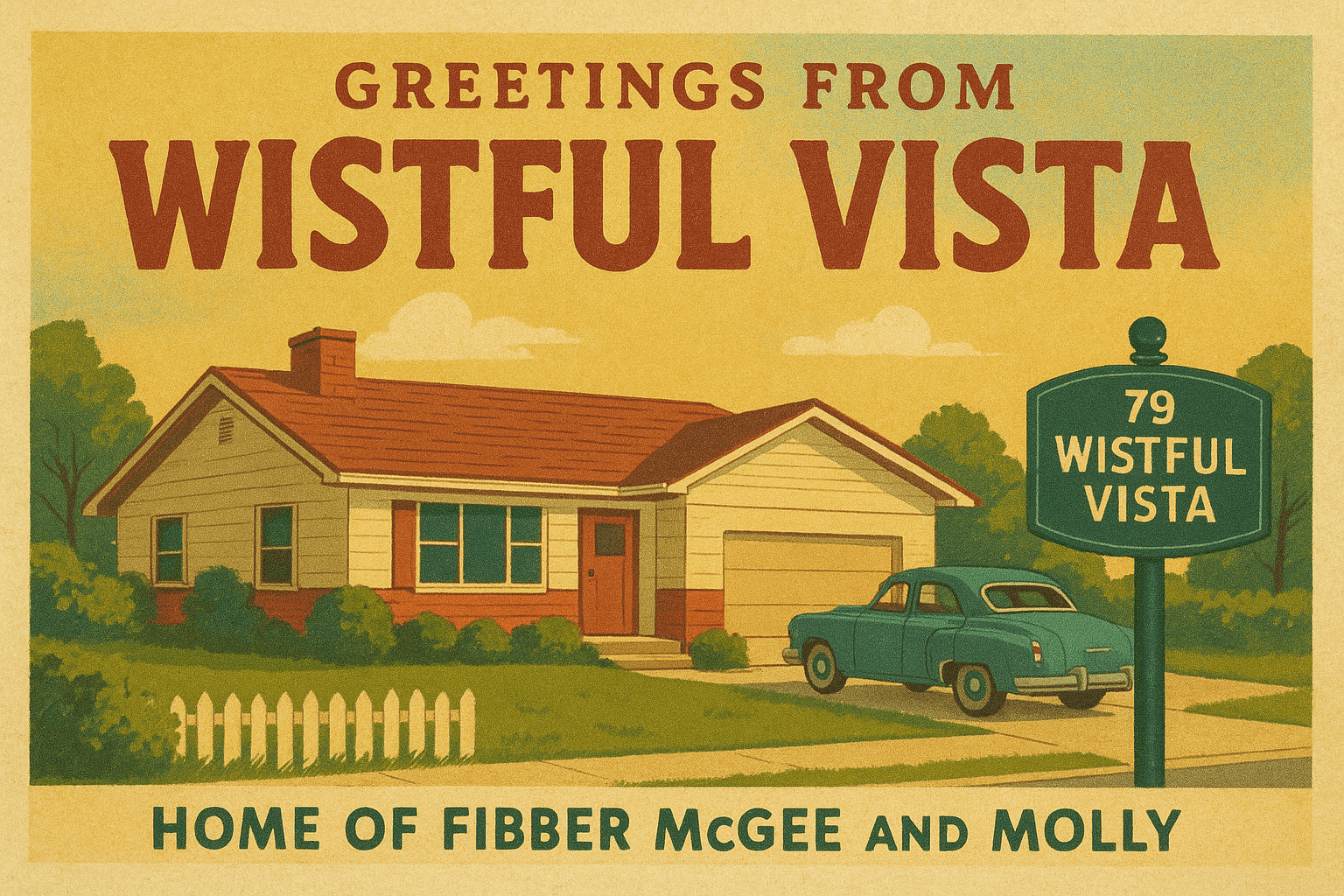
In the worried years of the 1930s, when the Great Depression was a weight on everyone’s shoulders, a nation gathered. They tuned in not to a TV screen, but with a radio dial, listening for a couple of friendly voices from the fictional town of Wistful Vista. And for a glorious quarter-century, they found them.
Fibber McGee and Molly wasn’t just a comedy show; they were a weekly party, a dose of pure fun that helped people laugh their way through hard times. The show, which premiered in 1935, became a beacon of normalcy and a source of shared joy, standing as a staple of American life for an incredible 25 years.
The magic of Fibber and Molly was that they weren’t flashy detectives or square-jawed superheroes. They were just like ordinary people—well, a slightly more chaotic version. At their home at 79 Wistful Vista, the humor didn’t come from capers or plots. It came from the glorious mess of everyday life.
The endless chatter with neighbors, the desperate attempts to pinch pennies, the constant battle with clutter—it was all so familiar. Every listener, whether in a high-rise city apartment or a quiet farmhouse, could find a bit of their own life in the antics of Fibber, the lovable but overconfident husband, and Molly, his calm and clever wife.
They were a comedy powerhouse that stood the test of time, staying relevant through the Depression, World War II, and the post-war boom. For over a quarter century, Fibber McGee and Molly was a shared American experience. When people across the country tuned in, they were all in on the same joke, a national chorus of chuckles and sighs of relief.
It was the original shared laughter, a communal sound that echoed from coast to coast. The show’s influence stretched far beyond the airwaves; it helped shape the genre of the “situation comedy”, setting the stage for decades of television to come.

The show was a world, and listeners got to peek in every week. That world was built not just by Fibber and Molly, but by a parade of voices people knew as well as their own neighbors.
There was Gildy, Throckmorton P. Gildersleeve, the king of bluster and pompous declarations, who was so popular he even got his own show. There was the perpetually confused Mayor La Trivia, who always seemed to be one step behind. And you couldn’t forget The Old-Timer, who would drift into the scene with a drawn-out, “That ain’t the way I heerd it!” and follow up with a joke that was equal parts meandering and hilarious.
These characters weren’t just parts of the show; they were citizens of Wistful Vista, making the town feel as real and cozy as any place listeners ever called home.
The Everyday Life of Wistful Vista
The show’s brilliance lay in its dedication to the mundane. The storylines weren’t about saving the world; they were about a world everyone recognized. A PTA meeting would spiral into chaos. The simple task of spring cleaning would turn into a comedy of errors. A trip to the bank, a bout with the common cold, a mishap with the lawnmower—each episode took a normal, everyday event and gave it the full comedic treatment.
The show tackled everything from Fibber’s attempts at fixing a leak to a disastrous Christmas shopping trip. Every aspect of the show, from civic groups to the stores they shopped at, were instantly recognizable to millions of listeners.
This focus on the domestic and the familiar made the jokes land with a different kind of impact. Listeners weren’t just enjoying a show; they were listening to a hilarious, exaggerated version of their own lives, finding humor in the shared frustrations and small joys that made up the fabric of middle America.
For a weekly program that ran for so long, the show’s writers, led by the talented Don Quinn, rarely had to stray from the four walls of the McGee home at 79 Wistful Vista. The plots were rooted in the common experiences of American households: organizing a rummage sale, planning a birthday party, or preparing for an unwanted visit from a relative.

The humor was gentle and character-driven, stemming from Fibber’s exaggerated schemes and the patient, cheerful way Molly would guide him back to reality. The very character of the show, with its familiar opening music and the announcer’s cordial greeting, was a kind of comfort food for the ears, a reliable escape into a world of familiar routines and predictable laughter.
A Masterclass in Sponsorship
The longevity and quality of the program owe a great debt not just to the writing and acting, but also to its chief sponsor, the S. C. Johnson & Son Wax Company. This unique partnership became a hallmark of the program. Instead of simply airing commercials, the sponsorship was woven directly into the fabric of the show.
The program itself was officially titled The Johnson Wax Program with Fibber McGee and Molly, and the company’s products were often introduced by a recurring character named “Doc Gamble,” a kindly neighbor who happened to be the town’s pharmacist and a charming pitchman.
The announcer, Harlow Wilcox, was also a master of integrated advertising, often appearing in the action as a persistent salesman who would cleverly work the Johnson Wax pitch into the dialogue itself, only to be politely shooed away by the exasperated Fibber.
This technique was groundbreaking, making the sales pitch an anticipated, and funny, part of the weekly routine, rather than an interruption. It proved to be a highly effective model that set a standard for integrated advertising in the decades that followed.
Comedy in a Time of Crisis
The show’s run coincided with some of the most serious events in American history, and Fibber McGee and Molly served a vital role during World War II.
During the war years, the program went beyond its regular comedy to become a reliable source of morale and patriotic duty. Writers skillfully incorporated elements of wartime life into the Wistful Vista setting, referencing ration books, Victory Gardens, and community drives, which made the national effort feel relatable and even humorous.
Moreover, the show’s unique production schedule helped connect the stars to servicemen. While the program typically aired live, the Jordans would, at times, find ways for pre-recording their parts on electrical transcription discs. This allowed them to step away from the studio to embark on extensive tours, performing live for troops and supporting war bond drives across the country.
Their commitment meant that even soldiers overseas could be a part of the familiar comfort of Wistful Vista, a welcome sound of home and normalcy during a time of global conflict. This dual service—humor on the air and morale on the ground—cemented the program’s and the Jordans’ place as a genuine national treasure.
The Closet
The most famous running gag on the show involved Fibber’s hall closet. The closet wasn’t just a place to hang coats; it was a character in its own right, a bulging, overstuffed beast of a thing that symbolized the chaos of domestic life. Listeners would wait for the inevitable moment. Someone, usually Fibber, would need something from it. Molly would often offer a warning, but the decision would be made.
As the door creaked open, a cacophony would erupt—a symphony of sound effects that painted a vivid picture of utter disarray. There would be a groan of stressed hinges, followed by a rumble, a crash, and a cascade of unseen objects.
The entire scene was a work of radio art, relying entirely on the listener’s imagination to bring the visual chaos to life. The closet gag wasn’t just a punchline; it was a recurring, shared laugh at the absurdity of everyday frustrations.
The closet was so iconic that it became a part of the national vocabulary. People would refer to a cluttered space in their own homes as being “like Fibber’s closet,” an example of just how deeply the show had embedded itself in American culture.
The gag itself was meticulously crafted by sound effects artists, who used everything from teetering piles of junk to actual crashing cymbals to create the perfect symphony of chaos. It was a masterclass in how radio, a medium without pictures, could create a more powerful image than any movie screen.

What truly gave the show its heart and soul, though, was something you couldn’t write into a script. The voices of Fibber and Molly were a husband and wife, Jim and Marian Jordan, who were married in real life.
Their natural chemistry, the easy banter, the gentle ribbing; it all felt so authentic because it was. They weren’t just performing a relationship; they were sharing their own.
Their genuine affection made listeners feel like they were right there with them, invited into their home, sharing in the laughter and the little moments that make a couple a team. The show often featured impromptu teasing and inside jokes between the two, all carried live over the airwaves and into the listener’s home.
Married in 1918, Jim and Marian Jordan were seasoned vaudeville performers before they made the leap to radio. Their experience on the stage gave them a natural ability to connect with an audience, and they brought that talent to the airwaves.
They had a knack for creating and embodying a host of different characters (which they also did on the show), but it was their portrayal of Fibber and Molly that truly captured the nation’s heart. Their off-mic marriage was the foundation of the on-mic magic; it was the familiarity and trust between them that made the show feel so real and special.
But their story, like all stories, came with a bittersweet end. In the 1950s, Marian Jordan became seriously ill. The show carried on for a time, sometimes with her lines recorded from her hospital bed, but the strain was too much. She retired, and while Jim tried to continue with various spinoffs, the show’s spirit was never quite the same.
The effortless chemistry, the voice of reason that grounded Fibber’s wild schemes, was gone. Marian passed away in 1961, and a nation lost Molly, not just Marian. It was a private and unseen moment that felt like a chapter of shared national joy had been closed.

The cultural footprint of Fibber McGee and Molly is immense. They were pioneers, proving that wholesome, family-friendly humor could hold a nation’s attention for decades. They laid the groundwork for countless domestic comedies that followed, from The Adventures of Ozzie and Harriet and I Love Lucy to the family sitcoms of today.
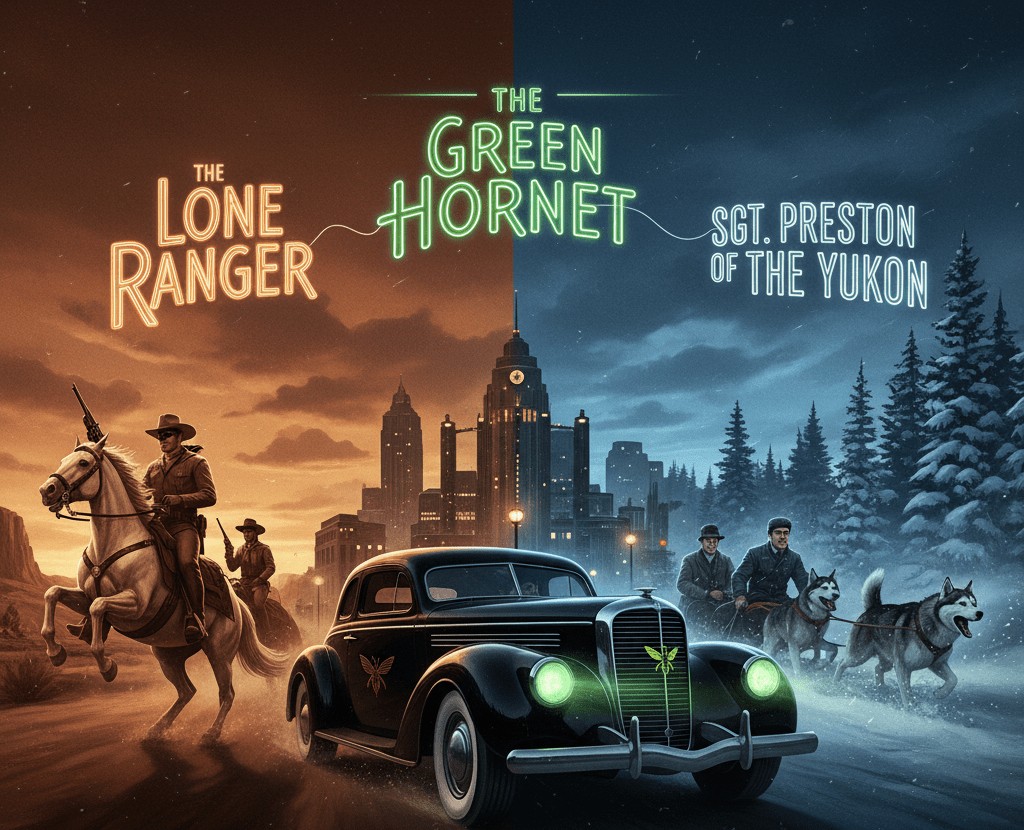
They proved that the most extraordinary stories aren’t always about masked heroes or daring detectives. Sometimes, they’re just about two ordinary people, their quirky neighbors, and a perpetually overstuffed closet.
Fibber McGee and Molly was more than a soundtrack to an era; it was a warm, familiar voice on the radio, a weekly reminder that even when things were tough, there was always something to laugh about. Their legacy isn’t just in their iconic gags, but in the authentic, real laughter they shared, and the incredible bond they created with a country that needed them. And as with any great story, that’s one worth telling.






Leave a Reply