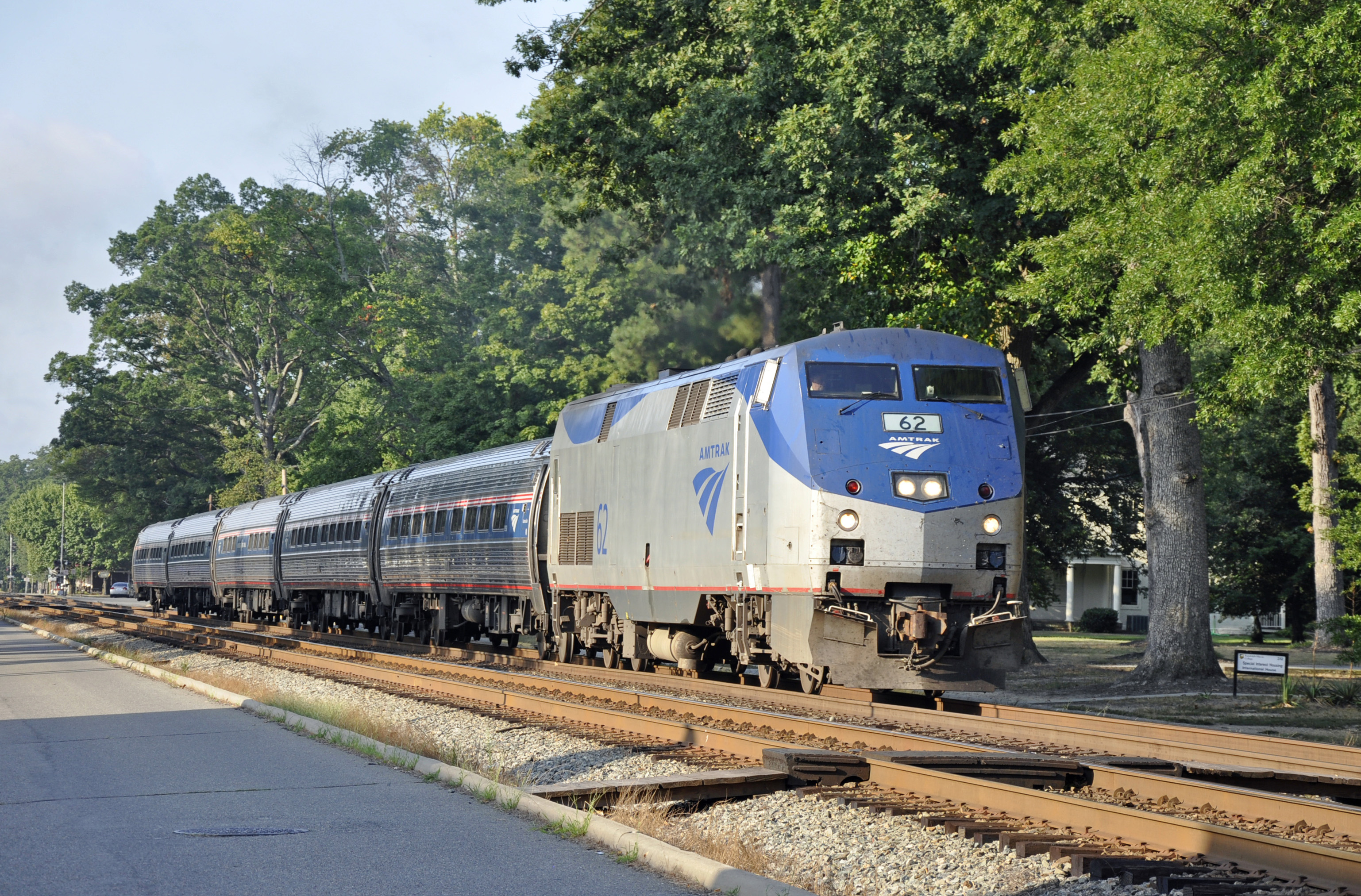
In 2025 and beyond, there are a few issues that manage to bridge the widest political gaps. Infrastructure, fuel- and cost-efficient travel, and the ability to stay connected with other communities all fall into that category. These are concerns most people—and most elected officials—are willing to support.
Trains and the rail industry touch all of those priorities, yet for many Americans, traveling by train is a foreign concept that isn’t even considered as an option. For those who have experienced it, they’re either remembering a system that existed decades ago or recalling the ordeal that can be long-distance Amtrak travel. How did we get here? How did a network that once reached nearly every large city and small town in the country, and offered dependable service, decline into a money-burning operation that struggles to perform the very service it was created to provide?
Our friends at Commonplace Fun Facts have an article that lays out these issues with some straightforward answers. If you’ve ever asked why our passenger trains are so unreliable, or how a country that once ran the finest rail system in the world ended up here, this piece lays it out with clarity and a good bit of humor.
It also reminds us of something important: the decline didn’t happen overnight. It was a long series of decisions, policies, and neglected responsibilities that slowly pulled a once-great system apart.
If you care about American history, infrastructure, or simply understanding how we got from “anywhere by rail” to “good luck getting there,” take a few minutes and read this.







Leave a Reply