Throughout my life, I’ve always been aware that I was incredibly fortunate to be surrounded by the family that I was. I know it is nearly cliche to say that one has a great family, but I genuinely, objectively believe that it would be incredibly difficult to top the level of love, caring, support, and generosity of the family I’ve been blessed with. I hit the jackpot with my family tree.
Despite knowing this, age brings its own lens and perspective through which a person views the people and times of their life. I’ve found myself reflecting on my circumstances and on the generations of family who poured what they had—and who they were—into me.
A cruel irony—perhaps also a cliché—is that many, nearly all, of them are gone now. Regrettably, I gave in to the self-centeredness of youth—something I was warned about by those very family members—and I often put off spending more time with them, assuming there would always be more time. That was my mistake, and I was told this would happen.
One of the people who warned me of this was my grandfather. I’ve long noticed that a large percentage of my favorite memories involve him. In recent years, it’s become clear to me that nearly every passion of mine—and many of the decisions I’ve made—can be traced directly back to him. Some people evolve significantly over time, but it seems to me that, at my core, I’ve always been largely the same. I’m nothing if not consistent, I guess—and so much of that consistency leads straight to him.
My grandfather’s name was Stuart Welker. Most people called him Stu, but to me, he was always Pap Stu. He was born in Connellsville, Pennsylvania, and lived there his entire life. He was one of the most influential people in mine.

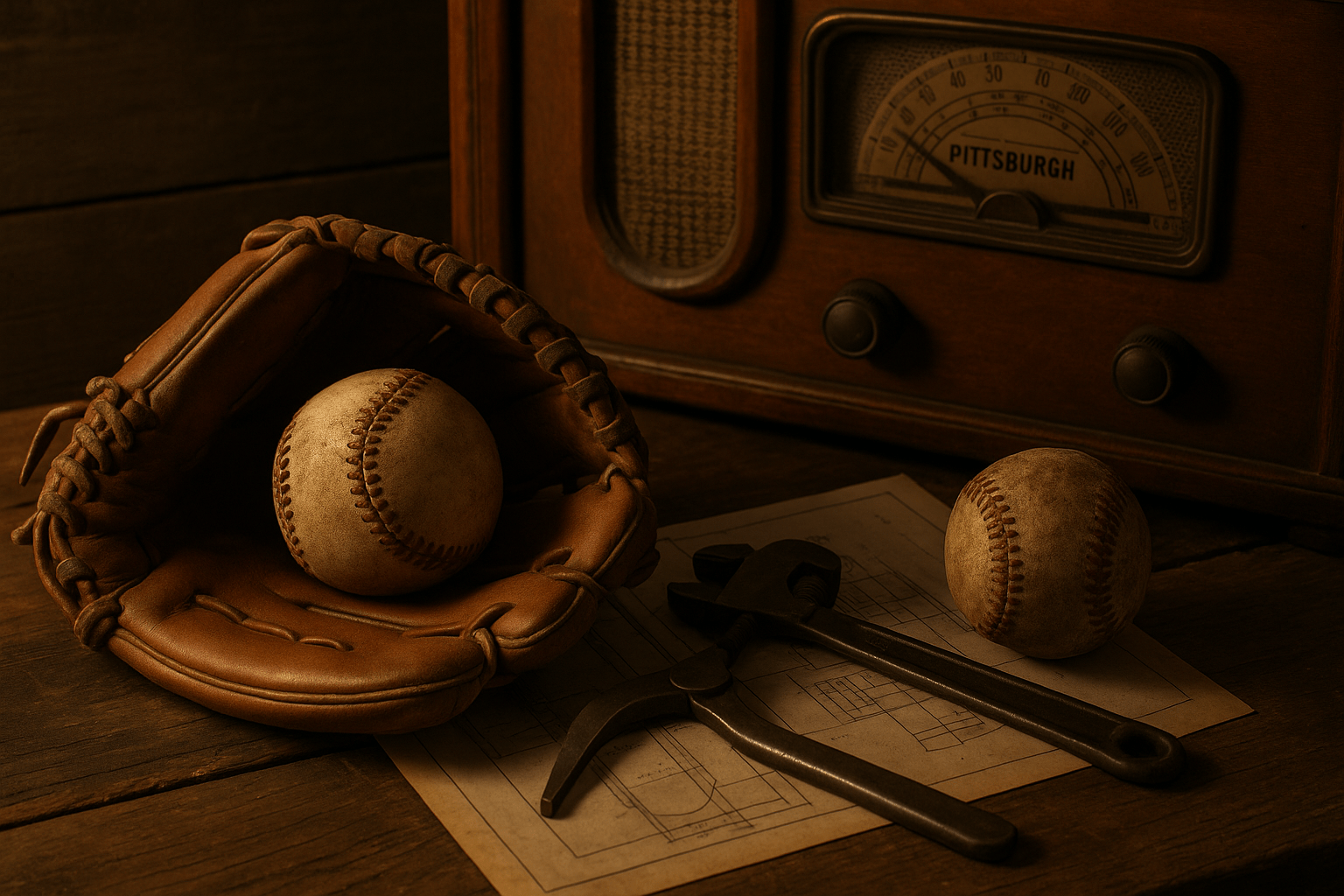
Pap Stu grew up in Connellsville, playing baseball—he was a catcher—in the local leagues, American Legion ball, and for Connellsville High School. Shortly afterward, he joined the U.S. Navy, where he served as a machinist’s mate aboard a destroyer in the Mediterranean. After being discharged, he returned home to Connellsville and began working as a union machinist for Kennametal in Latrobe, PA. He would work there for 44 years before retiring.
He was hardworking, jovial, and meticulous. Raised in an era of scarcity, he understood the value of a dollar and made the most of his resourcefulness and skill by repairing anything he could—an approach that stood in stark contrast to today’s disposable culture. His garage was always filled with tins and cigar boxes of hardware and assorted mechanical odds and ends—not in a cluttered way, but carefully arranged. Every item had its place, sorted by type and size with thoughtful precision.
Many years later, after building my own skills and knowledge in the aerospace industry, I inherited some of my grandfather’s old project drawings and notebooks. I was astonished. The level of precision required for many of the projects and parts he had helped prototype—some of which readers would likely recognize—was staggering. The tolerances were incredibly tight, and yet he achieved them without the benefit of computer-run, laser-guided CNC machines. His craftsmanship was a result of pure skill, patience, and old-school expertise.

He was a huge baseball fan, and that love for the game never faded. He was a lifelong supporter of the Pittsburgh Pirates—a passion he passed on to me. It must have started when I was very young, because I don’t have a single memory that predates my fandom.
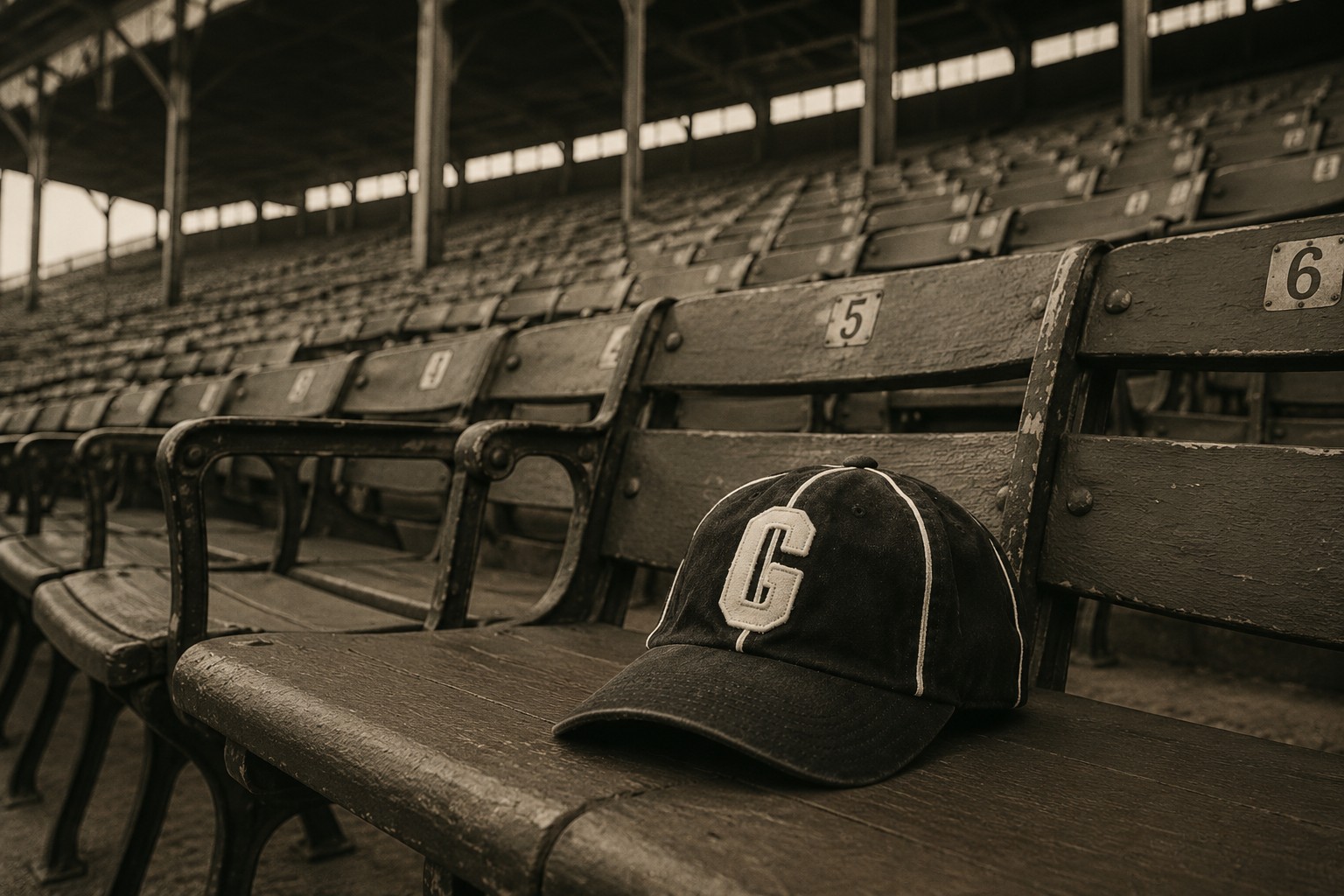
He would tell me stories about the games he saw with his Uncle Frank at Forbes Field. Those tales were more than enough to fill a fan who has spent the past 30 years watching the Pirates with envy. While I’ve been subjected to dismal baseball for practically my entire life, Pap sat in the bleachers of one of the great ballparks in history to watch legendary names: Ralph Kiner, Roberto Clemente, Willie Stargell, Dick Groat. Among the visitors were luminaries like Koufax, Gibson, Musial, and Mays. His stories about those boys of summer—right down to the little details that set them apart from their peers—never failed to command 100% of my attention.
Despite the plight of my hometown club during my lifetime, Pap Stu still went out of his way to help create similar memories for me. I’ll never forget a game he took us to—my grandmother, my brother, and me—back in the days of the old National League East. We rode a bus chartered by Moose Local 16 to Three Rivers Stadium for a game against the hated New York Mets. The battling Bucs pulled it out in the bottom of the ninth, sending the Pirate faithful into cheers—and the traveling Mets fans to tears. It was well after midnight by the time we got home—a very late hour for my young self—and I couldn’t have felt more awake.

Today, outside PNC Park—the current home of the Pirates—there’s a brick engraved with the names of my brother and me, placed there with love by our grandparents. One of my favorite memories of all is our trip to Cooperstown, New York—the home of the Baseball Hall of Fame.
I witnessed two no-hitters with Pap. The first one was the first he had ever seen. He made sure I got to attend not one, but two All-Star Game festivities—one in Pittsburgh and one in Baltimore—so I could see the greatest players of my generation. When the city of Pittsburgh began construction of PNC Park to replace Three Rivers Stadium, Pap bought season tickets to Three Rivers, just so he’d be first in line for tickets at the new, beautiful ballpark. He did it so I could go to games there any time I managed to get home.
Military service was another shared legacy. Every male member of my family, going back as far as when our ancestors stepped foot on this continent, has served in the U.S. military. The long running joke is that it’s “the family business.” But Pap Stu was the only one, to my knowledge, who served in the Navy. When I came of age, I added to that lineage by joining the Navy myself, and made that total 2.

My love of history also has roots in the time I spent with Pap Stu. Again, I don’t remember a time I didn’t have an interest in it, so it must have happened very young. Pap did everything he could to encourage and nurture that interest. During summer months, he would take my brother and me on road trips to historic sites throughout the region—French and Indian War battlefields, Washington D.C., Harper’s Ferry, Gettysburg, Antietam, and so many others.
When the summers were over and I was back in Kentucky, the encouragement didn’t stop. He would collect and mail me newspaper and magazine clippings on topics he knew I’d love. I’m convinced that for many years I received more mail than any boy in America. He subscribed me to journals, magazines, and papers that fed my passions. For me, the daily arrival of the mailman was like Christmas morning.

Radio was the soundtrack of our time together. There was always a radio playing somewhere at my grandparents’ house—whether in the basement, garage, or even a transistor radio in a shed out back. One day I noticed some cases in the basement I didn’t recognize. Pap explained they were cassette tapes of old radio programs he had listened to as a kid. There were names I didn’t recognize at that age: Jack Benny, Fibber McGee and Molly, Bergen and McCarthy.
Until he explained it, it had never occurred to me that radio had once been the main source of entertainment before television. He played me an old Sherlock Holmes episode, starring Basil Rathbone and Nigel Bruce, and I was hooked. To this day, the ‘theater of the mind’ is the entertainment medium that I still prefer. We also listened to Pirates games on KDKA, with Lanny Frattare calling the action. Pap Stu had been listening to games on the radio his entire life, and I happily followed suit.
My grandparents definitely spoiled us, but more than the material things, I remember the time. I played multiple sports growing up, and Pap was always there to support it. We’d play catch in the backyard or head to a local field—at East Park, Connellsville Area High School, or elsewhere–and Pap would throw me batting practice, reminding me about some bad habits to address in my swing. He’d hit me fly and ground balls to field, and we would really turn it loose in our games of catch.
He introduced me to golf, too. I never loved the game, but I loved going along with him. He taught me etiquette on the course and how to fix my awful slice. In addition to hitting the golf course, we spent many evenings at the driving range, and even more on the miniature golf course. Our evening out would usually end with a trip to the local Dairy Queen. Once home, I’d sit at his feet and we would watch the Pirates game on TV.
As an adult, I’ve thought back on those long days he spent with me. Before his retirement, he’d be on the road to Latrobe before 5:00 a.m. and home around 5:30 p.m.—and then his second shift began: seemingly complete dedication to making my day. Baseball, golf, basketball, car rides to countless destinations, and fun. He never complained. He seemed enthusiastic about it. I know that I was.
Pap also made sure we stayed connected to our extended family. We visited my great-grandparents regularly. Being Sicilian, they insisted on cooking and feeding me uncomfortably large amounts of food, no matter what time of day we stopped by—or how many times I politely tried to throw in the towel.
I remember how proud—and serious—my great-grandfather was when he learned of my military enlistment. An old Army first sergeant with many years of service, he made it his personal mission to prepare me for military life before passing away shortly after I shipped out.
Even our chores and obligations didn’t really feel like chores when I was doing them with Pap. He taught me how to mow the grass and how to use power tools and handle sharp objects when I was young. I think I tried extra hard not to do anything stupid around him—because nobody else would have been okay with me doing the things he was teaching me. But he would show me the proper, safe way to do something, and then tell me he “trusted me” to do it the right way.
It probably gave my poor grandmother ulcers, but I managed not to do anything stupid—at least not when I was with him!
Speaking of giving my grandmother ulcers—my Grandma Faye was about the most generous woman who ever lived. That’s not to say that we kids—with a little help from Pap Stu—didn’t push her at times. My brother, my cousins, and I definitely enjoyed our time together, sometimes a little too much.
While Grandma Faye would try to rein in us goofy, rowdy kids, Pap Stu—far from playing the role of strict disciplinarian—would laugh at our antics, almost egging us on. For us, it was all laughter and good times. For Grandma, it was often a sigh and an eye-roll—but even she couldn’t hide a smile.
Eventually, usually well past bedtime, we’d finally wear ourselves out from laughing ourselves silly.
And now we get to the part that never really occurred to me until recently. My grandmother had been married before and had two children—my mother and my aunt. Her first husband was an alcoholic who eventually walked out on her and their two young children, leaving Grandma Faye to fend for them on her own.
They went through some tough times—but they made it through. Later, Grandma Faye met and married my Pap Stu.
It had all happened long before I was born, and I don’t recall any of this being any kind of secret. I was probably a young teenager when it all dawned on me, but even then I don’t remember the discovery of Pap Stu not being a blood relative being given a second thought. And I don’t mean that in a vague, “love is all that matters” kind of way. I mean truly—I never once thought of him as anything but my Pap. I know I didn’t think about it for the next 20 years or so. It’s only been in recent years that I’ve looked back at my life and realized what an outsized impact he had on me, all the things he did for my brother and I, and how I miss all the time I haven’t had with him since he passed away many years ago.
Only after he was gone did it really hit me. So many of the things that shaped me—my interests, opportunities, memories—came from someone who had no blood obligation to me at all. He chose to care. He chose to love me as his grandson. And he did so with a devotion and generosity that shaped the entire course of my life.
What an amazing and fortunate thing that I had Pap Stu.
I think about him often these days—when I watch a baseball game, hear the crackle of an old radio program, open one of the many books he gave me, or head out to cut the grass in the summer. He’s there in those small moments, those memories a silent companion to me. And when I catch myself passing on a piece of advice or taking the time to teach a kid how to do something the right way, I realize I’m not just echoing his words—I’m trying to live up to the example he set.
Pap Stu wasn’t just part of my story. He helped write it. And if there’s anything lasting or good in who I’ve become, I know it’s because a machinist from Connellsville, Pennsylvania lived with quiet love, steady presence, and a strength that asked for nothing in return. I hope I can do the same. He showed me how.



Leave a Reply